
Canadian Silver Dollars In Wisconsin
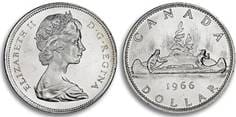 Canadian silver dollars have long fascinated coin collectors and investors alike, and their presence in Wisconsin offers a unique perspective on cross-border numismatic interest. As a state with a rich history of coin collecting and proximity to Canada, Wisconsin provides an intriguing case study on the circulation, collection, and value of Canadian silver dollars. This article explores the historical context, market dynamics, and collecting trends of Canadian silver dollars in Wisconsin, offering insights valuable to both seasoned numismatists and casual enthusiasts.
Historical Context of Canadian Silver Dollars
Canadian silver dollars first appeared in 1935, commemorating the Silver Jubilee of King George V. These coins were minted primarily in 80% silver until 1967, after which the composition shifted to nickel. The silver content and historical significance have made these coins highly sought after by collectors worldwide. The introduction of the Canadian silver dollar was not just a reflection of the monarchy’s celebration but also a pivotal moment in Canada’s monetary history, marking a transition towards a more standardized currency system that would resonate with the nation’s growing identity.
Wisconsin’s geographical proximity to Canada, particularly the border with Ontario and Manitoba, has facilitated the circulation of Canadian currency within the state. This proximity has historically allowed Canadian silver dollars to enter Wisconsin’s coin ecosystem, either through travel, trade, or immigration. The cultural exchange between these regions has enriched the local economy and fostered a unique blend of Canadian and American influences, evident in everything from local festivals to the acceptance of Canadian coins in everyday transactions. As a result, Wisconsin residents have often found themselves in possession of these iconic coins, further intertwining the histories of both nations.
Silver Dollar Minting and Composition
The early Canadian silver dollars, minted between 1935 and 1967, contain 0.6 troy ounces of silver, making them valuable both for their metal content and numismatic appeal. Key dates such as the 1935 Silver Jubilee and the 1948 Voyageur dollar are particularly prized. The silver content alone has attracted investors during times of rising silver prices, adding another layer of demand beyond traditional collectors. Moreover, the artistry of these coins, featuring designs that reflect Canadian heritage and natural beauty, has captivated enthusiasts. The Voyageur dollar, for instance, showcases a canoeist and a fur trader, symbolizing Canada’s rich history of exploration and trade, while the intricate details of the designs speak to the craftsmanship of the era.
As the years progressed and the minting of silver dollars ceased, the coins became more than just currency; they transformed into historical artifacts, each telling a story of the time in which it was created. Collectors often seek out coins not only for their monetary value but also for the narratives they embody. The transition from silver to nickel in 1967 marked a significant shift in both economic policy and public sentiment, as the rising costs of silver made it impractical to continue minting coins with precious metals. This change prompted a new era in coinage, where the focus shifted towards durability and cost-effectiveness, reflecting broader trends in the global economy.
Canadian Silver Dollars in Wisconsin’s Coin Collecting Community
Wisconsin boasts a vibrant coin collecting community, supported by local coin clubs, shows, and dealers. Canadian silver dollars hold a special place within this community due to their historical ties and relative accessibility compared to rarer U.S. coins.
Local Coin Shows and Dealers
Events such as the Wisconsin State Numismatic Society’s annual coin show often feature Canadian silver dollars prominently. Dealers specializing in world coins or North American numismatics frequently stock these silver dollars, recognizing the steady demand among collectors in the region.
Many Wisconsin coin dealers report consistent interest in Canadian silver dollars, especially from collectors seeking to diversify their holdings or capitalize on the silver value. The coins’ condition, rarity, and historical significance all influence pricing and desirability.
Collector Demographics and Preferences
Collectors in Wisconsin tend to appreciate Canadian silver dollars for their blend of historical importance and tangible silver content. Older collectors often seek out early issues, while younger enthusiasts are drawn to the coins as an entry point into silver coin collecting. Additionally, some collectors focus on completing sets of Canadian silver dollars, which range from the 1935 Jubilee to the 1967 Centennial issues.
Market Dynamics and Valuation in Wisconsin
The valuation of Canadian silver dollars in Wisconsin reflects both local and broader market forces. Silver prices, coin condition, rarity, and collector demand all play significant roles in determining value.
Impact of Silver Prices
As silver prices fluctuate, so too does the intrinsic value of Canadian silver dollars. For example, during periods when silver prices surge above $25 per ounce, the melt value of these coins can exceed their numismatic premium, prompting some holders to sell based on metal content alone.
Wisconsin’s coin dealers often monitor silver market trends closely, advising collectors on the optimal times to buy or sell. This dynamic creates a fluid market where Canadian silver dollars can serve both as collectibles and investment vehicles.
Condition and Rarity
The condition of a Canadian silver dollar is paramount in valuation. Coins graded MS-65 (Mint State 65) or higher command premium prices, especially for key dates like the 1935 Silver Jubilee or the 1948 Voyageur dollar. Wisconsin collectors often seek out well-preserved specimens, sometimes paying a premium for coins with original mint luster and minimal wear.
Rarity also affects value. Some years had lower mintages or feature unique design variations, making them more desirable. For instance, the 1950 Canadian silver dollar is known for its relatively low mintage and is a favorite among Wisconsin collectors looking for scarce coins.
Cross-Border Influence and Circulation Patterns
Wisconsin’s proximity to Canada has led to interesting circulation patterns for Canadian silver dollars. While Canadian currency is not legal tender in the United States, these coins have occasionally been found in circulation within border communities and among collectors.
Border Trade and Travel
Historically, cross-border trade and travel between Wisconsin and Canadian provinces have facilitated the movement of Canadian silver dollars into the state. Travelers and traders sometimes carried Canadian coins, which occasionally entered local circulation or were retained as souvenirs and collectibles.
Though Canadian silver dollars are rarely used as everyday currency in Wisconsin today, their presence in coin collections and at local shows underscores the ongoing cultural and economic ties between the regions.
Legal and Practical Considerations
It is important to note that Canadian silver dollars are not legal tender in the United States, including Wisconsin. However, their value as collectibles and silver bullion coins transcends legal tender status. Collectors and investors in Wisconsin often treat these coins as valuable assets rather than currency.
Tips for Collecting Canadian Silver Dollars in Wisconsin
For those interested in collecting Canadian silver dollars in Wisconsin, several strategies can enhance the experience and potential return on investment.
Research and Authentication
Understanding the history, mintages, and key dates of Canadian silver dollars is essential. Collectors should familiarize themselves with grading standards and common counterfeits to ensure authenticity. Wisconsin’s coin clubs and professional dealers can provide valuable resources and guidance.
Networking and Community Engagement
Joining local coin clubs or attending coin shows in Wisconsin can connect collectors with experienced numismatists and reputable dealers. These networks often provide access to rare coins and opportunities for trading or purchasing at fair market prices.
Storage and Preservation
Proper storage is crucial to maintaining the condition and value of Canadian silver dollars. Collectors in Wisconsin typically use acid-free holders, coin capsules, or albums designed to protect silver coins from tarnishing and physical damage.
Conclusion
Canadian silver dollars hold a distinctive place in Wisconsin’s numismatic landscape, bridging historical significance, silver investment, and cross-border cultural connections. Their presence in the state’s coin collecting community is a testament to the enduring appeal of these coins, both as collectibles and as tangible assets.
For collectors and investors in Wisconsin, Canadian silver dollars offer a rewarding blend of history, artistry, and intrinsic value. Whether sought for their silver content or their place in North American coinage history, these coins continue to captivate and enrich the local numismatic experience.
Ready to elevate your numismatic journey with Canadian silver dollars? Look no further than Investment Rarities Inc. With over 50 years of expertise in precious metals, we are dedicated to guiding you through the intricacies of coin collecting and investment. Our commitment to honesty, integrity, and exceptional customer service ensures you receive the personalized attention you need to make informed decisions. Whether you’re a seasoned collector in Wisconsin or just starting out, we invite you to Learn more about how we can help you enhance your collection with the history and artistry of Canadian silver dollars.